

Mesothelioma and Work Exposure
Workers who work with asbestos are at higher risk of mesothelioma. Firefighters, construction workers and military veterans are at higher risk.
The lining of the lung (pleural mesothelioma), or the abdomen, is the primary mesothelioma's primary site. In rare cases, it can affect the heart and testicles.
Check with your GP for any symptoms that worry you. They can assess the risk of exposure to asbestos and refer you an expert.
Signs and symptoms
The tissues that connect the stomach, lungs and the heart are referred to as mesothelium. Mesothelioma can develop in the mesothelium when cells begin to expand out of control. Asbestos is thought to cause mesothelioma by causing DNA damage in cells. The damaged cells are then reproduced and the cancer develops over time. It is not clear what other causes contribute to mesothelioma. Rapid City asbestos lawsuits have found asbestos exposure is a major cause of mesothelioma. Indirect and direct exposure to asbestos is possible.
The most frequent type of mesothelioma starts in the layers of tissue that surround each lung (the pleura). It can also start in the lining of the abdomen (the perineum) or in other areas of the body.
The early mesothelioma symptoms typically do not cause any discomfort or pain. They can include a persistent cough, difficulty breathing or weight loss, a abdominal pain and fever. As tumors develop, they may cause pain to nerves and organs. Certain types of mesothelioma may be extremely aggressive, but those which are the most severe have a better chance to respond to treatment than other cancers such as colon or breast cancer.
Mesothelioma is a rare illness, so patients may be unable to identify the disease. The first signs are often mistaken for other ailments, and the mesothelioma latency period makes it difficult for doctors to link the symptoms to asbestos.
A doctor is likely to conduct a physical exam and will take a thorough health and work history. They will ask about any previous asbestos exposure, since mesothelioma is most often caused by breathing in asbestos-containing fibers. These irritate the lungs, which causes inflammation and irritation that can turn into mesothelioma.
Chest X-rays and CT scans can help determine the location of the mesothelioma. They can also help determine if fluid has built up between the lungs as well as in other areas of your chest wall.
These tests can also be used to check for signs of mesothelioma on other parts of the body. Mesothelioma can also spread to lymph nodes and cause lumps on the neck or abdomen. A biopsy is needed to confirm a diagnosis of mesothelioma.
Diagnosis
A biopsy is the only way to diagnose mesothelioma. A biopsy involves the removal of the tissue in a small amount that is then examined under a microscope to look for cancerous cells. A biopsy is typically done by a specialist surgeon. It may be performed via VATS (video-assisted surgical thoracoscopic procedure) or CT-guided core biopsies.
Mesothelioma is a type of cancer that affects the thin layer of tissue that covers organs within the body. Most mesothelioma cases are caused by past exposure to asbestos, a group of heat-resistant mineral fibres used in the manufacture and construction of buildings prior to being banned in the 1970s. The most frequent exposure to asbestos is when working in industries like mining, shipbuilding or building. The people who worked in these industries, or their family members who did the work, are at a higher chance of being diagnosed with mesothelioma.
There are four types of mesothelioma based on the site where the cancer has formed. The majority of mesothelioma cases are found in the tissue that surrounds the lungs and chest wall, referred to as the pleura. Pleural mesothelioma is by far the most prevalent mesothelioma form and accounts for about 80 percent of cases. A smaller number of cases occur in the abdominal lining which is known as peritoneal melanoma. A different, less common type of mesothelioma develops in the lining of the heart, and is referred to as pericardial melanoma.
The symptoms of mesothelioma resemble those of other diseases and conditions. This makes it difficult to identify. The disease can take up to 50 years before symptoms show. This makes it difficult to determine how often symptoms should be monitored or how to identify them early.
Mesothelioma's primary cause is asbestos exposure. However, other factors, such as smoking, age, and genes are also able to increase the chance of developing the disease. Several studies have suggested that a specific X-ray technique in the workplace may also increase a person’s chance of developing mesothelioma. However this hasn't yet been proved. Having a family history of mesothelioma or any other asbestos-related diseases also increases the chance of developing.
Treatment
Mesothelioma, a cancerous growth that is found in the protective linings surrounding certain organs is a rare form of cancer. It usually develops in the lungs (pleura) or abdomen (peritoneum), but it can also affect the heart's lining (pericardium) or testes (tunica vaginalis). There are different types of mesothelioma, and each one has its own set of symptoms.
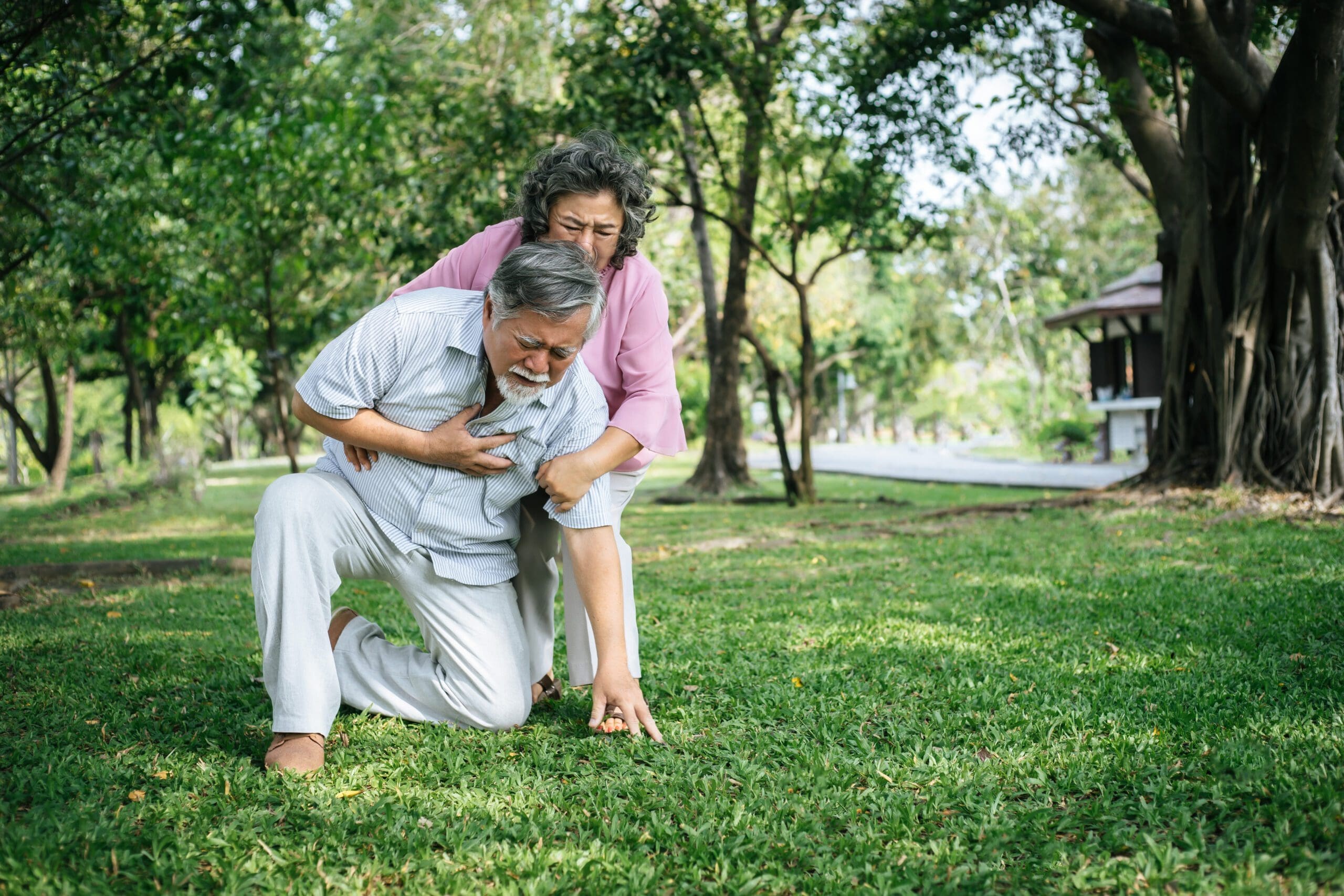
People who have been exposed to asbestos are at risk of developing mesothelioma. Asbestos exposure could be from work or from materials at home. Occupational exposure is the most frequent mesothelioma-related cause, particularly for those working in shipbuilding, construction and asbestos removal as well as other manufacturing industries. People who have a history of asbestos exposure could also have a family history of the disease.
The symptoms of mesothelioma could be similar to those of other conditions like lung cancer or pneumonia. They can be difficult to diagnose. Those who believe they have mesothelioma need to seek out a diagnosis from a specialist, and make sure to provide details regarding the asbestos exposure they have had in the past.
A doctor may order imaging tests, such as CT or MRI to determine if a patient has mesothelioma. These scans enable doctors to pinpoint the location of tumors or masses in the abdomen or lungs and to identify any abnormalities.
Doctors may recommend a biopsy to confirm the diagnosis of mesothelioma. This procedure is known as a biopsy. Doctors can remove the mesothelioma tumor cells and examine them under a microscope to look for indications of cancer. There are four types of mesothelioma:
Epithelioid mesothelioma is by far the most prevalent type, accounting for up between 60 and 70% of all diagnosed cases. Sarcomatoid mesothelioma is the more severe form of mesothelioma which accounts for between 10% and 15 percent. Biphasic mesothelioma is a combination of epithelioid and sarcomatoid cells, and occurs in 30% to 40 percent of cases. In rare cases, a genetic mutation can cause mesothelioma. People who have mesothelioma in their family should talk to their doctor about genetic tests to determine their likelihood for the disease.
Prognosis
Mesothelioma is a type of cancer that, like all cancers, develops when a cell's DNA experiences mutations that cause it to expand in a way that is not controlled. These cells then accumulate in the form of a tumor. Scientists aren't sure what causes mesothelioma but they do know that asbestos exposure increases the risk. People who work in blue-collar occupations or in the Navy are at greatest risk of developing mesothelioma. Exposure to asbestos increases the likelihood of developing pleural mesothelioma. It is the most frequent mesothelioma. This type of mesothelioma can develop in the linings that surround the lung, but it can also happen in the linings of the abdomen (peritoneum), or heart (pericardium).
The signs of pleural mesothelioma may not appear for 10 to 50 years. They can manifest as chest pain and difficulty breathing. Mesothelioma may also cause fluid buildup in the lungs, which leads to inflammation of the tissue surrounding the lungs.
If you suspect mesothelioma symptoms, it is important to consult a doctor immediately. This will help doctors identify the condition before it becomes worse and get patients in treatment earlier. Informing doctors about asbestos exposure is essential.
Doctors can diagnose mesothelioma by running imaging scans and blood tests to look for signs of the disease. They may also perform an invasive biopsy to confirm their diagnosis. In a biopsy, doctors remove a small sample of the tumor or mass to test for cancerous cells.
The biopsy is done by inserting a needle into the body or through surgery. The liquid or tissue sample is then examined under a microscope to look for mesothelioma cell. Mesothelioma is difficult for doctors to diagnose because its symptoms are similar to many other illnesses that are common, such as pneumonia and bronchitis. As a result, mesothelioma can be incorrectly diagnosed.
The best way to prevent mesothelioma is to reduce exposure to asbestos. This is not always possible. Asbestos-related diseases are more prevalent among older adults. They are mostly males and people born with a male gender. These groups are more likely to have been employed in blue-collar industries or in the Navy before asbestos was regulated.